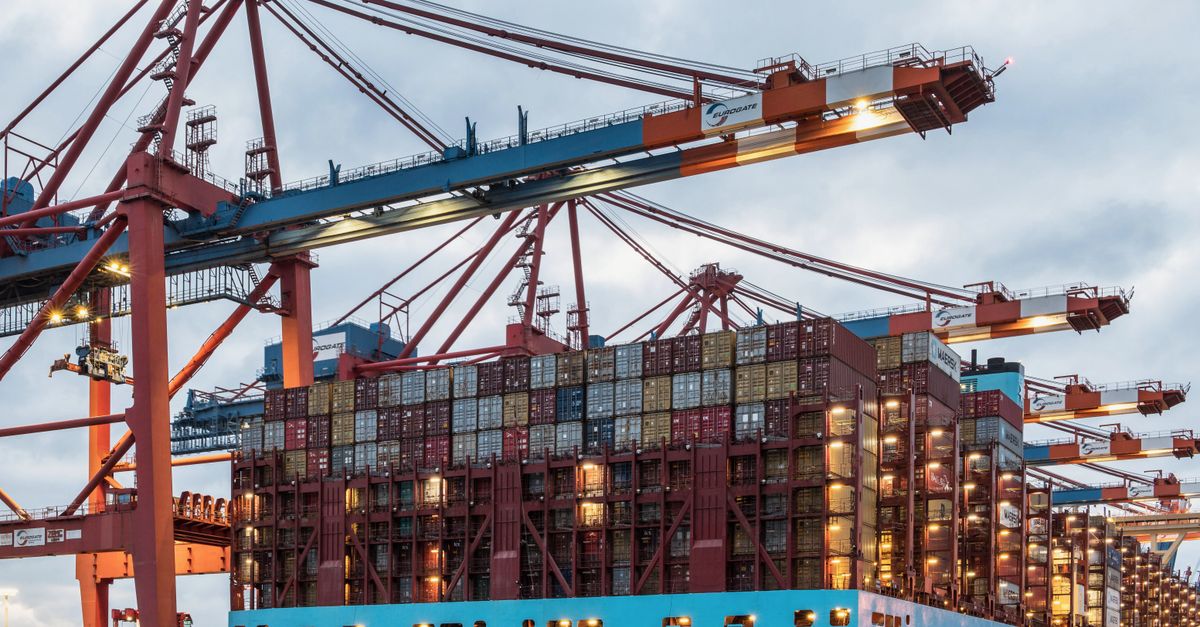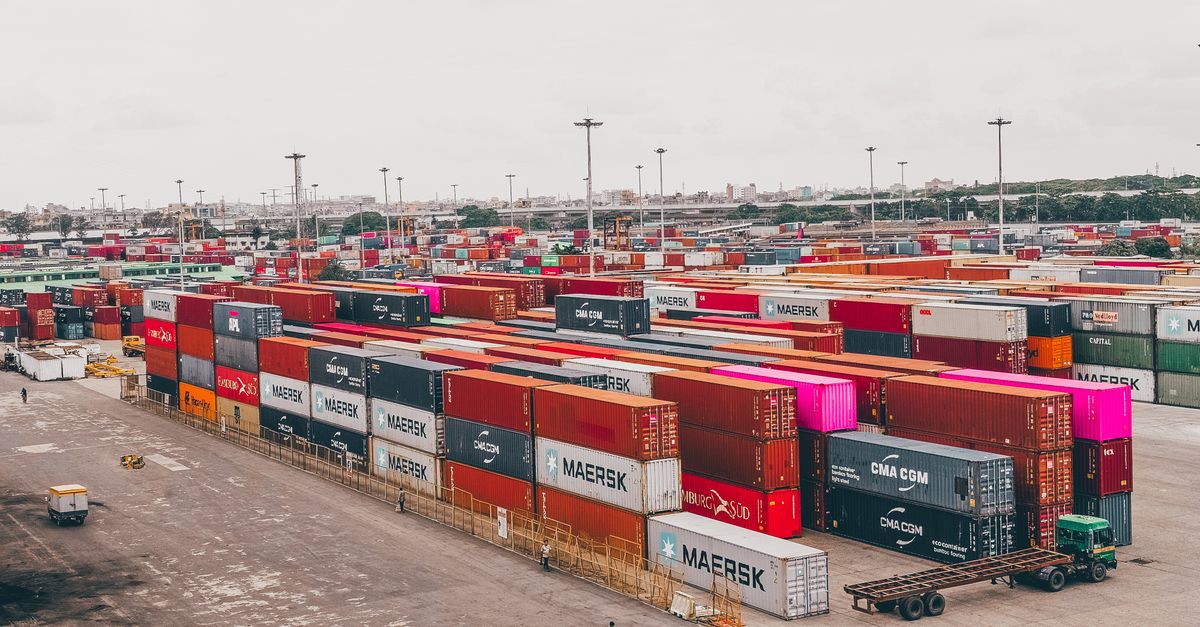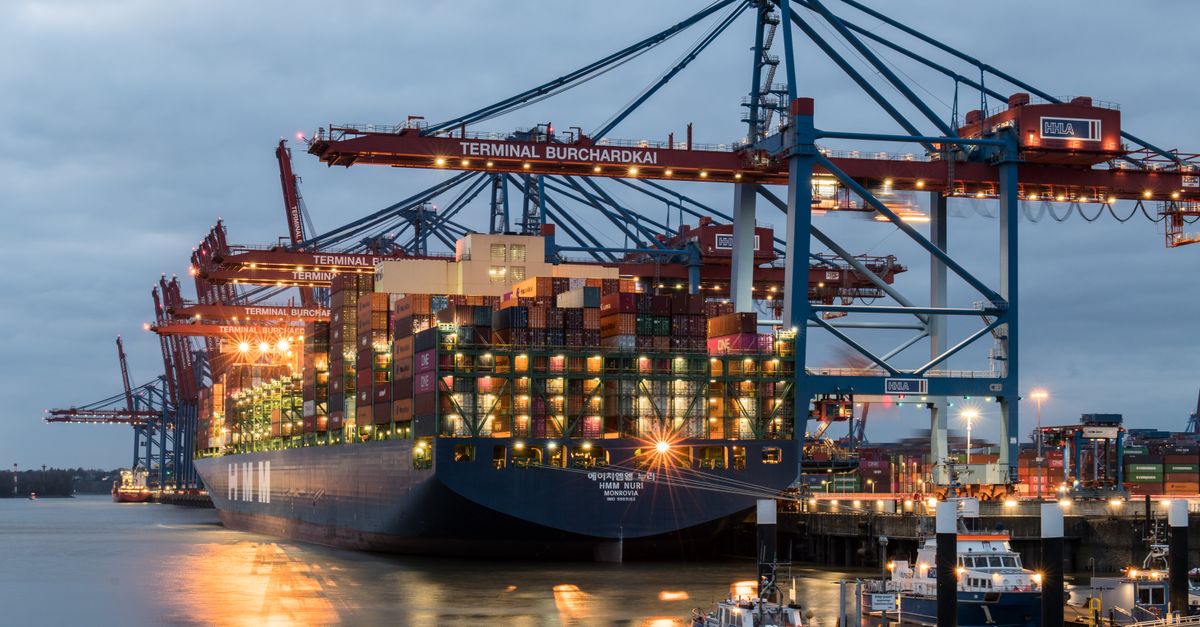
Verifying overseas demand means establishing whether an identifiable group of buyers will accept a particular offer at a particular price, under conditions your business can meet. General enthusiasm for Brazilian products does not answer that question. Commercial expansion must connect a need, an available budget, a purchasing channel and delivery capacity. When these elements remain separate, compliments can easily be mistaken for an economic opportunity.
Turn the ambition to export into a testable hypothesis
Start with a statement you can investigate: independent hotels in a particular region would buy a reusable textile organizer for their rooms if it withstands their cleaning routine and arrives within their refurbishment window. This identifies questions about the decision maker, the practical problem and possible obstacles to purchase. It remains a hypothesis until evidence supports those specific conditions.
Define what would make you abandon or revise the proposal. Examples include certification beyond the available budget, an acceptable selling price below the full cost, or a lack of buyers who need recurring replacements. Recording these limits before interviews reduces the temptation to reinterpret every response as encouragement. A useful test must allow the conclusion that the market is unsuitable.
Throughout this article, a Brazilian manufacturer of textile organizers considers selling to hotels in Portugal through a distributor. The product, contacts, amounts and outcomes are hypothetical. Portugal provides a setting for explaining the method, not a claim that demand there has been demonstrated. The approach can be adapted to other products, provided their particular technical requirements and commercial conditions are examined.
Choose an entry market within your capacity to learn
Comparing countries only by the size of their economies rarely gives a small business a useful shortlist. A large overall market may contain only a small segment accessible through your channel. For the manufacturer, the relevant questions concern reachable hotels, their existing purchases of similar products and their replacement practices. The total number of tourist establishments is not an available customer portfolio.
Compare two or three destinations using buyer access, product requirements, service costs, logistics distance, competition and the practical ability to collect payment. Anchor criteria in observable facts, such as a specialized distribution channel, a quoted transport lead time or required category documentation. Mark missing information as unknown. Giving an information gap an average score turns uncertainty into misleading precision.
A shared language may simplify interviews and support, but it does not remove differences in specifications, negotiation or service expectations. Buyers may require dimensions, composition, packaging and instructions unlike those used in Brazil. A more distant country might have a better organized channel for the niche. Compare the effort needed to close and fulfill sales, as well as the ease of starting conversations.
Select one destination and one segment for the first cycle, keeping the others as alternatives. Concentration helps you recognize interview patterns, compare logistics proposals and understand repeated objections. Testing several countries at once makes product problems harder to distinguish from channel problems. The initial objective is a reliable decision about one combination of market, buyer and offer.
Use market data to develop questions, not to count orders
Trade statistics, industry directories, catalogs and competitor research help map the market, but each source measures something different. A customs category may combine products with different materials, uses and prices. Before interpreting import volume as an opportunity, check its contents, geographic coverage and methodology. Aggregate activity can reveal trade without identifying the segment your business intends to serve.
Compare offers systematically: material, dimensions, application, minimum quantity, lead time, commercial terms and included services. A consumer price cannot be compared directly with a selling price to a distributor. Between them sit selling expenses, inventory, customer service and the channel's margin. Tax treatment and delivery terms may also differ and must be clarified before drawing conclusions about competitiveness.
Maintain an evidence register with four fields: claim, source, limitation and affected decision. For example, catalogs suggest local suppliers deliver quickly; those advertised lead times have not been confirmed for larger orders; interviews should therefore investigate how long buyers can wait. This turns desk research into specific questions and distinguishes collected information from the team's interpretation.
Look for competing explanations. Rising imports could reflect inventory replenishment, purchases concentrated among a few buyers or temporary replacement of another supplier. Few visible competitors could mean an opportunity or a weak underlying need. Research is most useful when it identifies what still requires direct confirmation, rather than merely supplying arguments for the destination already favored.
Interview buyers, users and people who can block adoption
A hotel owner may express commercial interest while housekeeping staff identify a maintenance problem that makes the organizer unsuitable. Buyer, user and approver are not always the same person. Map these roles before presenting the solution. Management, purchasing, housekeeping and the budget holder may all participate, each seeing a different part of the product's cost and usefulness.
Ask about actual events: the most recent purchase, suppliers considered, decision time and reasons for retaining or replacing the previous solution. Investigate the cost of concrete problems, such as items deforming after washing or packaging making storage difficult. Questions about past behavior generally reveal more than asking whether someone would buy a new product under ideal conditions.
Include different profiles within the segment without describing this initial interview group as statistically representative. Record differences between smaller and larger hotels, recurring and occasional purchasers, and independent establishments and chains. If only one group recognizes the need, refine the target segment. Combining their answers into an average could hide where the product actually has a useful role.
End with a next step proportionate to the interest shown: reviewing a technical sheet, testing a sample or meeting the budget holder. Refusal may indicate a secondary problem, the wrong contact or a distant purchasing window. Record the reason without pushing for a favorable answer. The purpose is to understand the purchasing process and gain legitimate access to it.
Build commercial evidence through progressively stronger commitments
Expressions of interest carry different weight. A polite response requires little commitment; a paid order involves a budget, agreed conditions and responsibility. Between them are useful signals: sharing internal specifications, involving purchasing, testing a sample and negotiating quantities and deadlines. Identify what each action establishes and what remains uncertain. Technical approval, for example, does not establish that a purchasing budget exists.
For the manufacturer, a possible sequence runs from interviews to samples tested in use and then a small commercial batch. Agree on acceptance criteria before production: dimensions, finish, performance after the intended cleaning process and permitted tolerances. Present an achievable price, minimum quantity and lead time. If interest disappears then, the obstacle may lie in the offer's economics rather than its presentation.
A letter of intent can organize negotiations, but its effect depends on its wording and the applicable legal framework. A signed document is not automatically a firm purchase, and intentions are not revenue. Keep interested contacts, proposals under negotiation, accepted orders and money actually received in separate categories. Otherwise, production commitments may be based on demand that exists only in sales discussions.
Set a rule for advancing between stages. For instance, commission the pilot batch only after sample approval, documentary verification of the buyer and receipt of the agreed deposit. This reduces reliance on enthusiasm without eliminating risk. After delivery, investigate actual use and replacement potential: an experimental purchase may reflect curiosity rather than recurring demand.
Adapt the product to verified use and control its versions
Export adaptations can affect materials, dimensions, instructions, identification, packaging and documentation. Separate mandatory requirements, channel requirements and negotiable preferences. A change required for lawful sale has a different priority from a color requested by one buyer. Confirm applicability through competent sources and professionals for the product and destination; Brazilian practices should not be assumed equivalent.
Hotels might prioritize wash resistance, stackability and discreet identification. Translate those preferences into verifiable specifications: composition, dimensions, permitted cleaning method and inspection procedure. Phrases such as superior quality or professional use do not define a delivery standard. The technical sheet should describe the same product to production staff, the buyer and quality control.
Freeze a version for the pilot and keep a change history. The approved sample and production batch should match in their relevant components. If a supplier substitutes fabric, reassess whether the earlier test remains valid. A seemingly minor change can affect shrinkage, color or drying. Traceability supports investigation of complaints and prevents disagreements based solely on recollection.
Distinguish initial investment from recurring adaptation costs. Developing the first technical sheet may be a setup expense, while a special label applies to every unit sold. The financial example relies on this distinction. Also specify who approves later changes and who pays. Uncontrolled customization can fragment production, raise purchasing minimums and create several slow-moving inventories from one simple product.
Define each partner's work before discussing exclusivity
Sales representatives, distributors, logistics operators and support providers solve different problems. A representative may introduce buyers and earn commission without purchasing goods. A distributor may buy, hold stock and resell under its own commercial obligations. A logistics operator moves or stores products under contract. Calling everyone a partner can obscure who generates demand and who performs a particular service.
Map the sale from prospecting through demonstration, quotation, contracting, collection, transport, import clearance, delivery and after-sales service. Assign responsibility for every activity and authority to approve exceptions. In the example, the distributor purchases the batch and resells to hotels. Responsibility for executing import procedures and allocating their costs must be detailed in the contract under an arrangement validated for the transaction.
Examine channel incentives. A distributor carrying several brands may favor faster-moving products or those requiring less explanation. A representative paid only on the first sale may give replacement orders little attention. These incentives do not establish bad faith, but they matter commercially. Targets, remuneration and information access should encourage the work your strategy requires.
Before granting territorial exclusivity, ask what concrete work will be performed and how it will be evidenced. General promises of market access do not equal a dedicated team, suitable customer relationships or a visit plan. A limited initial scope with scheduled review supports learning. Exclusivity should include measurable obligations, a defined term and proportionate consequences for nonperformance.
Verify the partner's identity, capacity and conflicts
Commercial diligence starts with identifying the contracting entity and the people authorized to represent it. Use methods appropriate to the country to check business existence, address, activity, signatory authority and consistency of payment details. A polished presentation or professional profile is insufficient. Unexpected bank-account changes require confirmation through a previously verified channel and a record of authorization.
Then seek evidence of operational capacity. Request relevant trade references, understand the product categories served and assess whether the infrastructure fits the promised service. An in-person or remote visit can help, with limitations acknowledged. Warehouse photographs do not establish ownership or available space for your batch. Specify the actual service being purchased in the contract.
Investigate conflicts and dependencies. Does the candidate represent a direct competitor, receive fees from recommended providers or have opportunities to share your prices with other brands? Disclose and address these situations through controls such as restricted access to sensitive information and rules for paid referrals. A known conflict may be manageable; a hidden one undermines assessment of the advice offered.
Match diligence to exposure. A small prepaid order differs from an arrangement involving consignment stock, credit and territorial exclusivity. Record documents reviewed, unresolved questions and approved limits. Diligence reduces particular uncertainties; it is not an absolute reliability seal. Revisit it when ownership, personnel, payment methods or performance change.
Design logistics around the service promised to the buyer
Begin with when and in what condition the buyer needs delivery. A hotel preparing refurbishment may value predictability more than the lowest freight price. Use that requirement to compare transport modes, consolidation, packaging and inventory. Lead time includes production, collection, paperwork, transit, clearance and final distribution. Quoting only the main transport leg leaves substantial work outside the decision.
Request comparable quotations with defined origins, destinations, volumes, weights, dimensions, services and exclusions. Clarify extraordinary storage, inspections, redelivery and other incidents. An apparently inexpensive quotation may shift costs to the destination. Check validity and service availability before promising delivery: a quoted amount does not mean transport capacity has been reserved.
Contracts should clarify delivery, transfer of risk, insurance, documentation and responsibility for import procedures. When international trade terms are used, identify the rule, version and named place with suitable technical support. Such terms do not independently settle payment, ownership, quality or disputes. Responsibilities must also match what each party can actually perform in the countries involved.
In the numerical example, the manufacturer economically bears budgeted costs through the agreed delivery, including an allowance for import expenses handled by the partner. This is a budgeting assumption, not a recommendation of a particular trade term. Confirm that the arrangement is legally and operationally workable. If the contract assigns expenses to the buyer instead, recalculate price and margin on a consistent basis.
Calculate the pilot's margin using all transaction costs
Assume a hypothetical pilot of 100 organizers sold to the distributor at EUR 30 each, producing contracted revenue of EUR 3,000. For budgeting Brazilian costs, assume BRL 6 per euro; this is arithmetic, not a market exchange-rate quotation. Production, per-unit adaptation, export packaging and origin expenses total BRL 7,200, equivalent to EUR 1,200 under that assumption, or EUR 12 per unit.
That first component comprises EUR 9 for production, EUR 1 for per-unit adaptation, EUR 1 for packaging and EUR 1 for origin expenses. Add EUR 300 for international transport, EUR 100 for insurance and associated services, and a EUR 200 allowance for import expenses. These additional items total EUR 600, taking batch operating costs to EUR 1,800, or EUR 18 per unit. None of these amounts is a market benchmark.
Add a sales commission of 5% of revenue, or EUR 150, and estimated after-sales service costs of EUR 50 for services performed and paid in week eight. The EUR 50 is an expected operating expense, not simply money set aside. Batch contribution is EUR 3,000 minus EUR 1,800 minus EUR 150 minus EUR 50: EUR 1,000, or EUR 10 per unit. The commission pays an intermediary separate from the distributor; it is not assumed necessary in every channel. Contracts should prevent duplicate payment for the same sales work.
Preparation costs a further EUR 1,200: EUR 300 for research, EUR 400 for development and samples, EUR 200 for diligence and EUR 300 for prospecting. The pilot therefore has a projected loss of EUR 200. This may be an intentional learning cost within an approved budget. Positive contribution is not net profit, however, and a real decision must also include overheads, tax effects and other applicable costs.
Reconcile the export price with the distributor's economics
A proposal can reward the manufacturer while remaining unworkable for the channel. Suppose the distributor buys at EUR 30 and resells to hotels at EUR 45 per unit, using a simplified comparison on the same pricing basis. The gross difference is EUR 15 per unit. It must still cover the distributor's warehousing, local delivery, sales, support and applicable charges.
Do not confuse markup on purchase cost with margin on selling price. The EUR 15 difference is 50% of the EUR 30 purchase price, but approximately 33.3% of the EUR 45 resale price. Clarifying the denominator prevents negotiations in which the parties mean different things by margin. The difference is not automatically the distributor's profit; its costs and obligations still matter.
Test EUR 45 with end buyers even when the distributor is your contractual customer. If hotels accept only EUR 36, the channel has EUR 6 before expenses. Packaging, order size, target segment or service level may need adjustment. Cutting the manufacturer's price without understanding the objection could destroy its contribution while leaving an unresolved positioning problem.
Exchange discounts for changes that improve the economics: confirmed volume, standardization, scheduled purchases or payment terms. An informal forecast of major expansion should not fund a permanent discount. Reducing the example's price from EUR 30 to EUR 28 lowers unit contribution from EUR 10 to EUR 8.10, retaining EUR 18 operating cost and EUR 0.50 estimated after-sales cost while recalculating commission to EUR 1.40. Evaluate the concession with that consequence visible.
Project cash over time as well as the batch result
A projected loss of EUR 200 does not show how much funding must remain available during the pilot. Assume the EUR 1,200 preparation cost is paid in the first two weeks. In week three, the distributor accepts the order and pays a 50% deposit of EUR 1,500. Between weeks four and seven, the manufacturer pays EUR 1,800 in operating costs. Start the cumulative balance at zero solely to make the funding requirement visible.
After preparation, cumulative cash is negative EUR 1,200. The deposit brings it to positive EUR 300. Operating payments then take it to negative EUR 1,500. In week eight, the remaining EUR 1,500 from the buyer restores the balance to zero; paying EUR 150 commission and EUR 50 for estimated after-sales services leaves negative EUR 200. Because those services are performed and paid during the pilot, final cash matches the projected result.
The greatest cumulative funding requirement in this sequence is EUR 1,500, although total expected costs are EUR 3,200. The deposit finances part of the transaction. Payment order matters: preparation must be funded before any deposit arrives. For an actual operation, maintain cash schedules in each obligation's currency and consider conversion costs and when funds become usable.
If final payment is delayed six weeks without additional expenses, the maximum requirement remains EUR 1,500, but it stays outstanding longer. That can prevent another production run or disrupt Brazilian expenses. Exposure limits must address both amount and duration. Allow a buffer justified by identified uncertainties, without treating it as assurance that every delay can be absorbed.
Stress-test assumptions before increasing commitments
The base case organizes the decision but depends on prices, exchange rates, expenses and collection. Change assumptions individually before combining them. If international transport costs EUR 200 more, operating costs rise from EUR 1,800 to EUR 2,000. Contribution falls from EUR 1,000 to EUR 800, and the result after preparation becomes negative EUR 400. If the increase is paid before the buyer's balance arrives, peak cash needs rise to EUR 1,700.
Now retain the original freight cost and change only the conversion of BRL 7,200 in Brazilian costs. At BRL 5.40 per euro, that component becomes approximately EUR 1,333.33. Adding EUR 600 in external costs gives operating costs of EUR 1,933.33. Keeping revenue, commission, EUR 50 in after-sales services paid during the pilot and preparation unchanged produces a result of approximately negative EUR 333.33. Preparation remains fixed at the amount already committed in the base case.
Foreign-currency revenue therefore does not remove exchange-rate risk. Exposure depends on the currencies of sales and costs and the timing of conversion. If BRL payments remain due while the final customer payment arrives later, an adverse movement can consume contribution. Pricing and contracting should acknowledge this interval. Seek specialist support when assessing financial hedging instruments, including their costs and limitations.
Also test clearance delays, rejection of part of the batch, packaging failure and loss of the partner. Define a trigger, response and cost responsibility for each event. Do not mechanically add risks without understanding their relationships, but examine plausible combinations. Proceed only if the business can withstand the selected adverse scenario and execute a response, rather than relying solely on an attractive central projection.
Resolve disagreements through evidence and clear consequences
Manufacturer and distributor may legitimately disagree about price, timing or defects. The manufacturer sees production costs; the distributor hears local objections and must sustain its own operation. Convert positions into verifiable questions. If the partner requests a discount because sales are difficult, ask for rejected proposals, comparable products and required terms. The evidence may suggest a useful adjustment or show that the channel does not reach the intended audience.
Document quantity, specifications, acceptance, payment, damage, returns and dispute resolution with review appropriate to international trade. A general satisfaction clause can leave quality disputes effectively unlimited. Objective criteria help distinguish manufacturing deviations, transport damage and use inconsistent with instructions. Specify how evidence will be collected and the period for reporting an incident.
For exclusivity, negotiate territory, segment, duration, targets and exit. One alternative is limited protection for customers actually developed by the partner instead of restricting an entire country. Targets should reflect purchasing cycles and the manufacturer's delivery capacity: demanding volume without ensuring availability also creates conflict. Address outstanding orders and branded materials when the relationship ends.
When disagreement persists, compare the cost of continuing with the cost of testing another arrangement. The best door opener may not be the best buyer to hold inventory. Functions can be separated if responsibilities and remuneration remain transparent. Rejecting an unworkable condition is a valid commercial decision. A signed contract cannot make an operation viable when its essential assumptions lack agreement.
Run the pilot with owners, evidence and corrective action
Appoint a project owner and allocate deliverables across sales, production, quality, logistics and finance. Even when one person performs several roles, every task needs an owner and completion condition. Sales confirms the order; production follows the approved version; quality releases the batch; logistics checks packages and documents; finance tracks receipts and deadlines. Communicate changes affecting cost or timing before promising them to customers.
Maintain an operation file containing the accepted proposal, specifications, inspection records, commercial and logistics documents, payment evidence and relevant communications. Preserve versions and grant access according to need. Contact data and private documents require defined purposes and restricted sharing. Searchable organization helps resolve incidents; uncontrolled accumulation of files merely moves the problem elsewhere.
Consider a packaging error: the batch occupies more space than stated in the freight quotation, generating an additional charge. First confirm dimensions, locate the failure and recalculate the impact before shipment. Then update packaging records and introduce a physical check before future quotations. Correct the source data as well as negotiating the current charge, so the same mistake does not become a recurring hidden cost.
Compare planned and actual costs by stage, lead times, damage, complaints, resale speed and payment collection. Distinguish isolated events from process failures. Incomplete paperwork requires documentary correction; slow hotel sales may require changes to the offer or channel. A completed delivery alone does not verify demand. Operational execution and commercial acceptance are related outcomes that require separate measurement.
Organize transparent documentation for decisions and funding discussions
Present expansion as a bounded project: target buyers, demand hypothesis, evidence, adaptations, partners, budget, risks and milestones. This helps business owners, service providers and potential funders assess the same proposal. Distinguish observations from assumptions still dependent on the pilot. A projected repeat purchase should not carry the same apparent certainty as an accepted and paid order.
KEZS connects entrepreneurial projects and potential funders through technology and intermediation. Transparent project documentation can help people understand a proposed overseas expansion. Investors perform their own diligence and make their own decisions; KEZS does not assign a credit score. Organizing information does not guarantee approval, funding availability, repayment capacity, profitability, liquidity or protection against capital loss.
Any funding structure must reflect the rights being created. Loans, financing against receivables, equity and convertible instruments involve different obligations, costs and risks. Hoped-for sales are not existing eligible receivables. A Brazilian individual microentrepreneur, or MEI, cannot admit equity partners while remaining a MEI. A donation to a nonprofit is neither an equity investment nor a promise of financial return. Explain applicable fees, conflicts and uncertainty alongside potential usefulness.
Public securities distribution and regulated financial activities require appropriate structures and providers; technology or a CNAE business activity classification is not authorization. Banco Central, CVM, Portal do Empreendedor and ANPD are reference entry points, not proof of KEZS authorization. Blockchain integrity does not establish truthful inputs, demand, legal title, reserve solvency or guaranteed payment. Keep private documents off public blockchains and assess the costs and controls of any recordkeeping method.
Decide whether to expand, correct or stop based on learning
At the pilot's conclusion, assemble evidence for three possible decisions. Expansion requires signs of repeatable purchasing and operational capacity. Correction makes sense when the need is established but a solvable weakness remains in price, specification or channel. Stopping is appropriate when required conditions exceed the business's capabilities or commercial evidence remains insufficient. Record the reason, costs already incurred and work that can still be reused.
Assume each additional unit retains the EUR 30 price, EUR 18 operating cost, EUR 1.50 commission and EUR 0.50 estimated after-sales cost, with services performed and paid within each batch. Contribution of EUR 10 per unit requires 120 units to cover EUR 1,200 in preparation. The 100-unit pilot is 20 units short and ends with a projected EUR 200 loss. This relationship excludes new costs and scale changes; it does not demonstrate that more sales are achievable.
If a second order contains 300 units and all unit assumptions hold, projected contribution is EUR 3,000 before new fixed costs and overheads. Do not charge the completed preparation again when evaluating that order, but include additional development, staffing and inventory needs. Confirm production capacity, payment terms and distributor performance before assuming the larger batch will reproduce the pilot's economics.
Close the cycle with a short document identifying the buyer validated, the offer accepted, delivery results, the cost of learning and the next commitment. Preserve rejected hypotheses so they do not return as unsupported new ideas. Expansion becomes more controllable when each increase in exposure follows useful new information. Make the next step small enough to correct and concrete enough to teach.
Frequently asked questions.
How many interviews are needed to consider demand verified?
No single number replaces the quality of evidence. Interviews reveal problems, purchasing criteria and differences between segments, but do not independently establish willingness to pay. Speak with people from different businesses and observe when patterns recur. Then test their answers through samples, proposals and orders under real conditions. If all conversations come from one partner's customer portfolio, account for selection bias: those contacts may share preferences or relationships that do not extend to the wider target segment.
Is it better to enter through a distributor or sell directly to buyers?
The choice depends on who can prospect, handle import responsibilities, deliver and provide support at a viable full cost. Direct selling preserves more commercial control but may require local capabilities the manufacturer lacks. A distributor may hold inventory and provide customer access, earning compensation through its margin. Compare both routes using complete costs and access to information about use and replacement purchases. A suitable channel must have responsibilities consistent with the service promised to buyers.
How can you assess a partner demanding exclusivity before placing orders?
Request a verifiable activity plan, relevant references and commitments proportionate to the territory requested. Negotiate a limited period, targets aligned with the purchasing cycle and a review mechanism. Willingness to invest in samples, involve buyers and accept concrete obligations reveals more than promises of large volumes. If the partner seeks to restrict market access without demonstrating capacity or making commitments, assess the opportunity cost before agreeing. Exclusivity can block other routes even when the partner generates no sales.
Does approval of a free sample justify producing a commercial batch?
Approval establishes only what was actually tested. A buyer may like the product but reject the price, minimum quantity or lead time in the commercial proposal. Before production, confirm final specifications, the contracting entity, acceptance conditions and agreed payment arrangements. Record whether the sample underwent intended use or only visual inspection. A signed sheet without a clear description of the test can create more confidence than the evidence supports, particularly if washing or handling performance remains unexamined.
How should you evaluate a loss-making pilot that opened doors to new customers?
Separate a planned learning loss from an uncontrolled deviation. In the example, the expected EUR 200 loss arises because initial preparation exceeds batch contribution. It may be acceptable if affordable and if it produces useful evidence about purchasing, delivery and replacement demand. New contacts must not be booked as revenue. Assess whether they have concrete next steps, whether unexpected costs have been corrected and whether another order would contribute enough after additional expenses. Previous spending does not itself justify further exposure.
What should you share with potential partners and funders?
Share what is necessary to assess the operation: the offer, demand evidence, responsibilities, budget, assumptions and risks. Limit access to sensitive documents, personal information and strategic details, with a defined purpose. Start with less sensitive information and expand access as legitimacy and need are established. Relevant transparency includes costs, conflicts and uncertainty; it does not require publicly exposing contracts, personal documents or complete customer lists. Maintain a clear distinction between evidence, management interpretation and forecasts.
When should expansion be suspended after spending on adaptation and prospecting?
Suspend new commitments if there are signs of partner irregularities, material technical failures, costs that eliminate contribution or cash requirements the business cannot sustain. Money already spent does not make a poor order more attractive. Identify existing obligations, preserve rights and organize a responsible exit with technical support where necessary. Suspension may also be temporary and tied to an objective correction, such as validating documentation or renegotiating payment terms. Define the evidence needed before commitments can resume.
References and context
Institutional reference points for checking applicable rules and guidance. Calculations and scenarios are original examples, not quotes, historical results or individualized recommendations.
- Banco Central — correspondentes no País ↗
- CVM — Resolução 88, texto e alterações ↗
- CVM — Resolução 175, fundos de investimento ↗
- Portal do Empreendedor — perguntas sobre MEI ↗
- ANPD — orientações e perguntas frequentes ↗
AI-assisted educational content. Decisions require verification of the information, instruments and providers in each actual case.